WV Lawyer Help

We help WV attorneys grow their caseload through smarter marketing, better tracking, and qualified client referrals.

Tag: law firm marketing metrics

  • What Every Law Firm Should Track Weekly

    Most law firms track revenue.

    Far fewer track the numbers that actually create revenue.

    That is a problem.

    Because by the time revenue declines, the real issue often started weeks or months earlier:

    • fewer inbound leads
    • slower intake response times
    • lower consultation conversion
    • weak follow-up
    • declining search visibility
    • rising advertising costs

    The firms that grow consistently usually operate differently.

    They track leading indicators — not just financial results.

    Here are some of the most important metrics every law firm should monitor weekly.


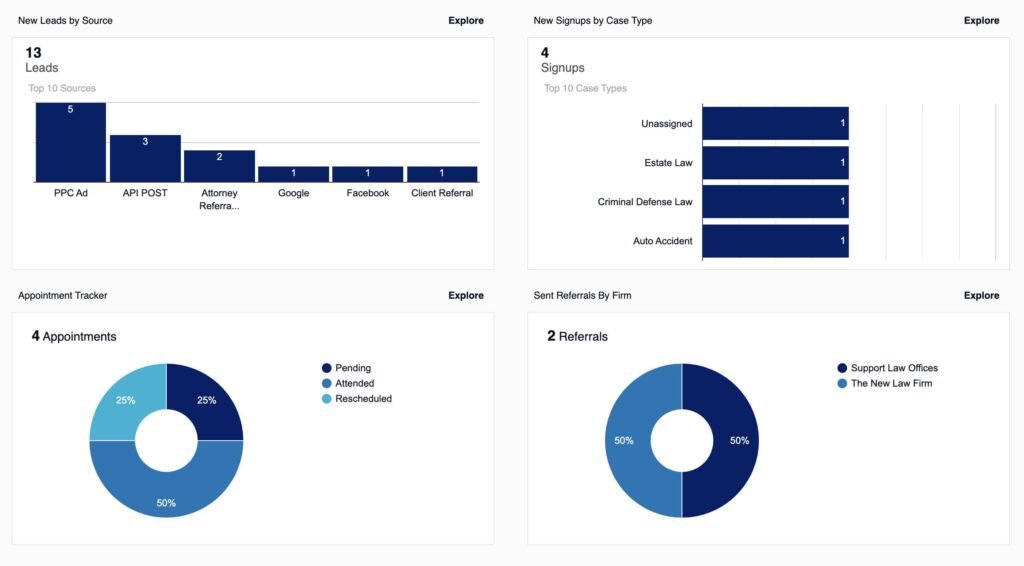
    1. Leads by Source

    Every law firm should know exactly where inquiries are coming from.

    That includes:

    • Google organic search
    • Google Ads
    • referrals
    • social media
    • directories
    • email campaigns
    • direct website traffic

    Without source tracking, firms often continue investing in marketing channels that are not actually generating quality cases.

    Even simple tracking can reveal patterns quickly.

    For example:

    • referrals may convert at a much higher rate than paid traffic
    • certain practice area pages may generate stronger leads
    • one marketing campaign may produce volume but weak consultations

    Good marketing starts with attribution.


    2. Consultation Conversion Rate

    Getting leads is only part of the equation.

    How many actually turn into consultations?

    This metric helps identify:

    • intake quality
    • responsiveness
    • qualification issues
    • client experience problems

    For example:

    If 100 leads generate only 12 consultations, there may be:

    • poor intake scripting
    • delayed follow-up
    • confusing website messaging
    • weak trust signals
    • poor lead quality

    A firm that improves consultation conversion from 10% to 20% can dramatically increase revenue without increasing marketing spend.


    3. Signed Client Conversion Rate

    Not every consultation becomes a client.

    Tracking signed-client conversion helps firms understand:

    • attorney performance
    • pricing friction
    • trust issues
    • case selection
    • client expectations

    This is one of the clearest indicators of whether marketing and intake are aligned properly.


    4. Response Time

    Speed matters more than many firms realize.

    Potential clients are often:

    • stressed
    • emotional
    • overwhelmed
    • contacting multiple firms at once

    A delayed callback can mean a lost client.

    Law firms should track:

    • average first response time
    • missed calls
    • after-hours response handling
    • form follow-up speed

    In many markets, the firm that responds first wins.


    5. Website Traffic Trends

    Traffic alone does not guarantee business growth.

    But traffic trends still matter because they can indicate:

    • SEO improvements
    • declining rankings
    • technical issues
    • seasonal demand shifts
    • content performance

    Firms should monitor:

    • total traffic
    • organic search traffic
    • top-performing pages
    • bounce rates
    • traffic by practice area

    Weekly monitoring helps identify problems before they become major declines.


    6. Top Performing Pages

    Most law firms have a small number of pages generating the majority of traffic and leads.

    Those pages deserve attention.

    Track:

    • which pages attract traffic
    • which pages generate consultations
    • which pages convert best
    • which pages are losing rankings

    Sometimes improving one high-performing page creates more impact than publishing ten new articles.


    7. Cost Per Lead

    For firms using paid advertising, this metric is critical.

    A rising cost per lead may indicate:

    • increased competition
    • poor targeting
    • weak landing pages
    • declining ad quality
    • intake inefficiencies

    Marketing should not be evaluated only by volume.

    Efficiency matters too.


    8. Intake Follow-Up Rate

    Many law firms lose potential clients simply because follow-up stops too early.

    Potential clients may:

    • get distracted
    • hesitate
    • compare firms
    • need time to decide

    Tracking follow-up activity helps firms avoid unnecessary lead loss.

    This includes:

    • unanswered leads
    • unreturned voicemails
    • abandoned consultations
    • email follow-up completion

    9. Review and Reputation Activity

    Online reputation increasingly influences conversion.

    Firms should monitor:

    • new Google reviews
    • review response rates
    • review trends
    • reputation issues
    • referral mentions

    Trust is now part of marketing infrastructure.


    10. Signed Cases by Practice Area

    Not all leads are equally valuable.

    Tracking signed cases by practice area helps firms understand:

    • which services drive revenue
    • which content performs best
    • where marketing investment should increase
    • where profitability may be declining

    This helps firms make better long-term marketing decisions.


    Final Thought

    The law firms that grow consistently usually treat marketing, intake, and analytics as connected systems — not separate departments.

    Weekly tracking creates visibility.

    Visibility creates better decisions.

    And better decisions compound over time.

    Many firms focus heavily on getting more traffic.

    But often the biggest growth opportunities come from:

    • improving intake
    • increasing conversion
    • responding faster
    • tracking better
    • understanding where business actually comes from

    The firms that measure intelligently often grow more efficiently than the firms that simply spend more.
  • 5 Law Firm KPIs That Actually Grow Practice Revenue

    Introduction

    Most law firms struggle to grow not because they lack good lawyers — but because they’re flying blind on their marketing data. Even firms using CRMs like Clio, Lawmatics, or HubSpot often have the data — they just don’t know which numbers to focus on.

    In this guide, we break down the five essential law firm marketing metrics every attorney should track: cost per lead, lead conversion rate, speed to lead, cost per client, and lead source ROI.

    Whether you’re running Google Ads, investing in SEO, or relying on referrals, understanding these legal marketing KPIs is the difference between scaling intelligently and burning your budget.


    Cost Per Lead (CPL)

    What it is: How much you spend to generate a single lead.

    Formula: CPL = Total Marketing Spend ÷ Number of Leads

    Example:

    • $3,000 Google Ads
    • 100 leads
      • CPL = $30

    Why it matters:

    If you don’t know this, you can’t:

    • Compare channels (Google vs referrals vs SEO)
    • Control spending
    • Scale intelligently

    The mistake firms make:

    They track spend, not efficiency

    • Spending $5,000 isn’t bad
    • Spending $5,000 for 10 bad leads is

    Lead Conversion Rate (Lead → Client)

    What it is:

    The % of leads that become paying clients.

    Formula:

    Conversion Rate = Clients ÷ Leads

    Example:

    • 100 leads
    • 20 clients
      • 20% conversion rate

    Why it matters:

    This is where money is made or lost.

    Two firms:

    • Firm A: 10% conversion
    • Firm B: 25% conversion

    Same leads. Completely different outcomes.

    What impacts it:

    • Speed to respond
    • Intake quality
    • Follow-up process
    • Trust signals

    • This is a systems problem, not a marketing problem

    Speed to Lead (Response Time)

    How fast you respond to a new lead.

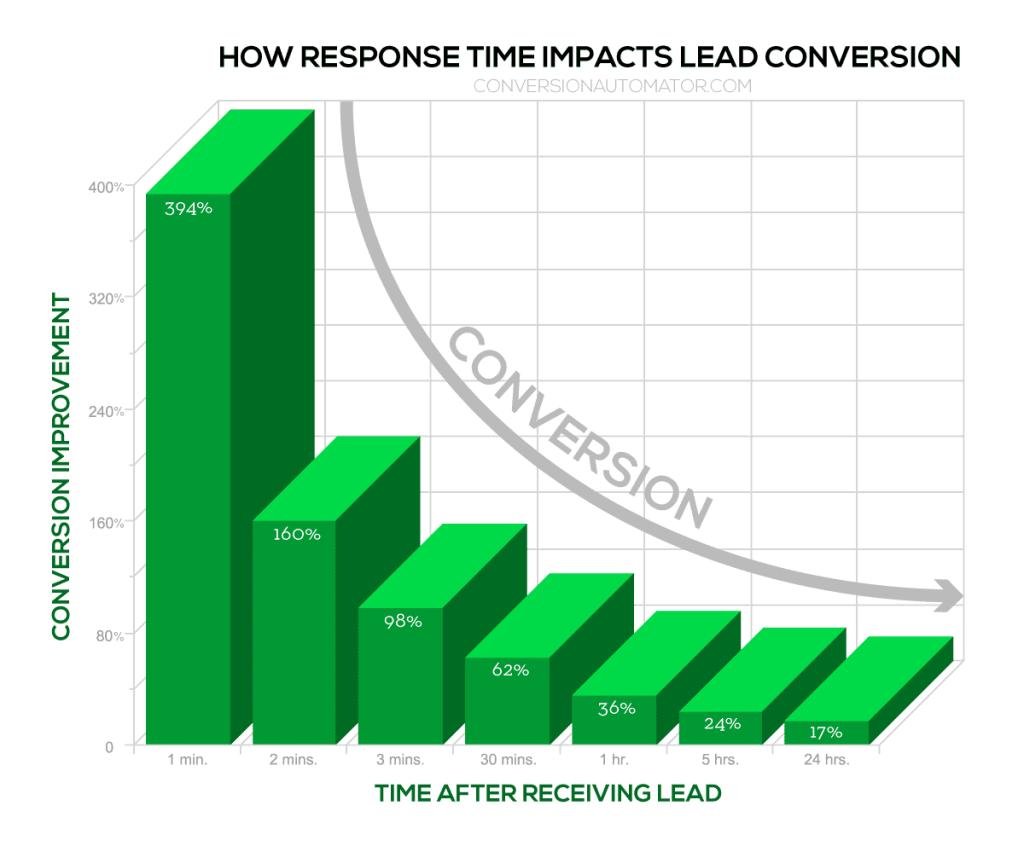
    The attorney lead response time benchmark is clear: within 5 minutes is elite, 1 hour is decent, next day means you’re losing clients to competitors who picked up faster. Studies consistently show that the first firm to respond wins the case the majority of the time — and in a world where potential clients are submitting forms to multiple firms simultaneously, speed is a competitive advantage, not a courtesy.

    A strong law firm intake process doesn’t happen by accident. It requires systems: auto-text confirmations, CRM alerts, and dedicated intake staff coverage during peak inquiry hours. This single metric can double your revenue without spending another dollar on leads.

    What it is:

    How fast you respond to a new lead.

    Benchmark:

    • Within 5 minutes = elite
    • 1 hour = decent
    • Next day = losing clients

    Why it matters:

    The first firm to respond: Wins the case most of the time

    Reality:

    • Leads contact multiple firms
    • You’re competing in real time

    Fix:

    • Auto-text response
    • CRM notifications
    • Intake staff coverage
    • AI Voice Agents

    This single metric can double your revenue without more leads


    Cost Per Client (Case Acquisition Cost)

    What it is:

    How much it costs to acquire a paying client.

    Formula:

    Cost Per Client = Total Marketing Spend ÷ Number of Clients

    Example:

    • $3,000 spend
    • 20 clients
      • $150 per client

    Why it matters:

    This is the metric that actually connects to profit.

    You can have:

    • Cheap leads
    • But expensive clients

    The insight:

    If your average case value is $3,000:

    • Paying $150 = great
    • Paying $1,500 = dangerous

    This is where smart firms scale… and others burn money


    Lead Source ROI (What’s Actually Working)

    Which channels produce your best clients — not just your most leads.

    Tracking legal marketing ROI by source reveals something most firms miss: volume and quality are not the same thing. Google Ads might generate 80 leads a month while referrals bring in 15 — but if referrals close at 60% and Ads close at 8%, the math tells a very different story about where your budget should go. Without source-level tracking, you’ll keep funding the channel that looks productive while starving the one that actually is.

    For each channel — Google Ads, SEO, referrals, Avvo, social media — track leads generated, conversion rate, and revenue produced. That’s the only way to make allocation decisions based on profit, not assumption.

    What it is:

    Which channels produce the best clients.

    Examples:

    What to track:

    • Leads per source
    • Conversion rate per source
    • Revenue per source

    Why it matters:

    Not all leads are equal.

    Example:

    • Google Ads → lots of leads, low conversion
    • Referrals → fewer leads, high conversion

    Without this, you’ll invest in the wrong channels


    The Bigger Picture: These Metrics Work Together

    This isn’t about tracking numbers.

    It’s about understanding your pipeline:

    1. Traffic → Leads
    2. Leads → Clients
    3. Clients → Revenue

    If something breaks:
    One of these metrics tells you where


    What Most Law Firms Get Wrong

    They:

    • Track leads (vanity metric)
    • Ignore conversion
    • Ignore response time
    • Don’t connect spend to revenue

    That’s how firms “feel busy” but don’t grow


    The Simple System (You Can Implement This Week)

    You don’t need a complex setup.

    Start with:

    • A CRM (even basic)
    • Lead source field (required)
    • Intake tracking
    • Weekly review

    Track:

    • Leads
    • Clients
    • Source
    • Time to respond

    That’s it.

    Most Firms Already Have Enough Leads

    In many cases, law firms do not have a lead problem. They have a conversion problem.

    Faster response times, better intake systems, and more consistent follow-up can often improve revenue more than simply increasing ad spend.


    Final Thought

    The firms that win aren’t always the best lawyers.

    They’re the ones who:

    • Respond faster
    • Track better
    • Improve consistently

    Everything else compounds from there.

    Many firms already have enough traffic — they just lack visibility into what is actually converting.

    If your law firm is investing in SEO, Google Ads, or digital marketing and you are not sure where the bottlenecks are, reach out through WV Lawyer Help for a free high-level review of your current marketing funnel and intake process.