WV Lawyer Help

We help WV attorneys grow their caseload through smarter marketing, better tracking, and qualified client referrals.

Category: Law Firm Marketing & SEO

Marketing strategies, SEO guides, and growth metrics for small and solo law firms in West Virginia — including Google Ads, local search, intake optimization, and tracking what actually works.


  • Google Ads vs SEO for WV Lawyers: Which Should Come First?

    For West Virginia lawyers, one of the most common marketing questions is whether to invest in Google Ads or SEO first. Both can work. Both can fail. The right answer depends on the firm’s goals, budget, market, and timeline.

    The simplest way to think about it is this: Google Ads can create faster visibility. SEO can create longer-term visibility.

    For a broader overview, read our West Virginia Law Firm SEO Guide.

    What Google Ads does well

    Google Ads can place a law firm near the top of search results quickly. That matters when a firm needs immediate leads or wants to test demand in a specific practice area.

    Paid search can be especially useful for urgent legal needs, competitive practice areas, or new firms that do not yet have organic visibility. If someone searches for a lawyer and sees your ad at the right time, that click may become a consultation.

    The downside of Google Ads

    The downside is cost. Legal clicks can be expensive, and the firm pays whether the visitor becomes a client or not. If intake is weak, paid ads can burn money quickly.

    Google Ads also stop when the budget stops. The visibility is rented. That does not make it bad, but it means the firm needs a clear plan and strong tracking.

    What SEO does well

    SEO helps a law firm build organic visibility in search results. Instead of paying for every click, the firm creates pages that can be found over time.

    Good SEO can help with practice-area searches, local searches, question-based searches, and brand credibility. A well-built website can become a long-term asset.

    The downside of SEO

    SEO usually takes time. A new page may not rank immediately. A new website may need months of consistent work before it gains traction.

    SEO also requires quality. Thin, generic legal content is not enough. The firm needs useful pages, clear structure, local relevance, and trustworthy information.

    Which should come first?

    If the firm needs leads immediately, Google Ads may come first. If the firm is building a durable long-term presence, SEO should begin as early as possible.

    In many cases, the best answer is both: use paid ads carefully for short-term lead flow while building SEO in the background.

    Use paid ads to learn

    Paid ads can also teach a firm which keywords and practice areas produce real inquiries. Those insights can then guide SEO content.

    For example, if ads around a specific legal issue produce strong consultations, the firm may decide to create a full organic content cluster around that issue.

    Use SEO to compound

    SEO compounds because useful content can keep working. A strong practice-area page, local landing page, or legal explainer may continue attracting visitors long after it is published.

    That is why a firm should not wait too long to build its organic foundation.

    Do not ignore tracking

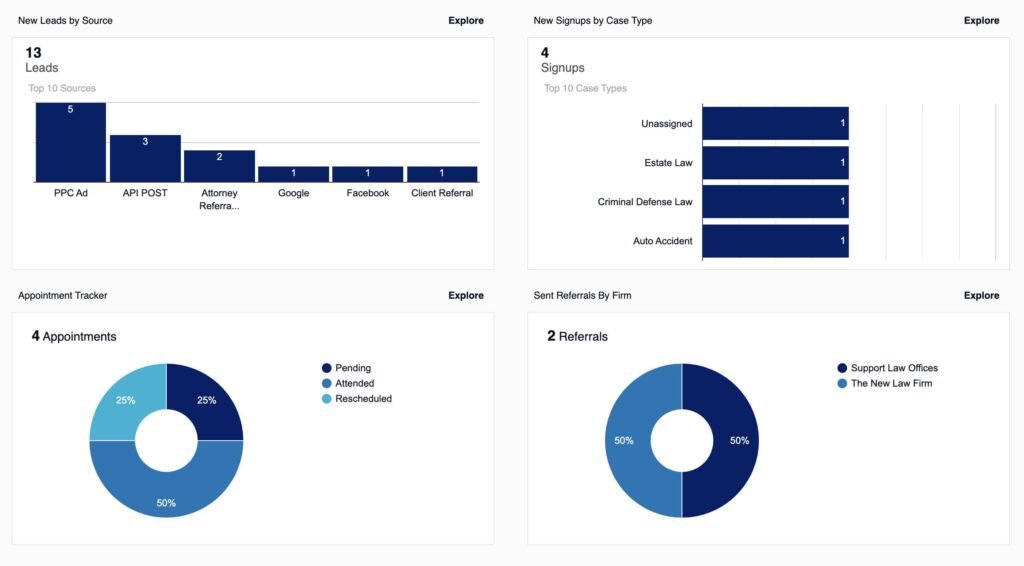
    Whether a firm uses Google Ads, SEO, or both, tracking matters. The firm should know which channel produced the lead, whether the lead scheduled a consultation, whether the consultation happened, and whether the person became a client.

    The WV angle

    West Virginia is not the same as New York, Los Angeles, or Philadelphia. Search volume may be smaller, but local intent can be meaningful. A focused WV law firm SEO strategy can help a firm compete where geography, trust, and local relevance matter.

    Final thought

    Google Ads can help a firm get attention now. SEO can help a firm build authority over time. The smartest firms understand the difference and use each channel for the right job.

  • How Much Should a West Virginia Law Firm Spend on Marketing?

    There is no single correct marketing budget for every law firm. A solo lawyer in a small West Virginia town has different needs than a growing personal injury firm in a competitive market. But every firm should have a budget, a plan, and a way to measure whether the money is working.

    The biggest mistake is not spending too little or too much. The biggest mistake is spending without tracking.

    Start with the firm’s goal

    A law firm’s marketing budget should match its business goal. Is the firm trying to maintain a steady flow of clients? Grow into a new practice area? Compete in a high-value category? Build long-term search visibility?

    A maintenance budget looks different from a growth budget. A firm that only needs a few new matters each month may not need aggressive paid advertising. A firm trying to dominate a practice area may need consistent investment in content, local SEO, website improvements, and lead tracking.

    Typical budget categories

    Most law firm marketing budgets include some combination of the following:

    • Website design and maintenance
    • Search engine optimization
    • Google Business Profile optimization
    • Content writing
    • Google Ads or other paid advertising
    • Directory listings
    • Call tracking and intake software
    • CRM or case management tools
    • Review generation and reputation management

    The right mix depends on the firm’s practice area, geography, and growth goals.

    Solo and small firm budget thinking

    A solo lawyer should usually start with the basics: a clean website, accurate local listings, a strong Google Business Profile, and content that explains the firm’s services clearly.

    For small firms, the next step is usually measurement. The firm should know how many calls and form submissions come from the website, which pages produce leads, and how many inquiries become consultations.

    Without those numbers, the firm is guessing.

    SEO vs paid advertising

    Paid ads can bring faster visibility, but the cost can rise quickly. SEO takes longer, but strong pages can continue producing visibility after the initial work is done.

    For many West Virginia law firms, the best approach is a combination: use paid ads carefully where immediate visibility matters, while building organic search assets for the long term.

    Do not forget intake

    A marketing budget should not stop at getting clicks. If the phone is not answered, forms are not followed up on, or consultations are not tracked, marketing dollars leak out of the business.

    That is why a serious budget should include intake systems. Even a simple spreadsheet is better than nothing. Over time, a firm may need a CRM, call tracking, or legal intake software.

    How much should a firm spend?

    Instead of starting with a fixed number, start with a business question: how many new signed clients does the firm need each month?

    Then work backward. How many leads are needed? How many consultations? What is the average value of a signed client? What is the maximum cost per signed client that still makes financial sense?

    This is how marketing becomes an investment instead of a guess.

    Where WV law firms should focus first

    For many firms, the best first investments are local visibility, content, and intake tracking. A clear website and strong local SEO foundation can help the firm get found by people already searching for legal help.

    That is where WV law firm SEO becomes important. It is not just about ranking for broad keywords. It is about showing up for the specific legal problems and local searches that matter to the firm.

    Final thought

    A law firm marketing budget should be tied to outcomes. Spend enough to be visible, but track enough to know what works. The firms that win are not always the firms that spend the most. They are often the firms that understand their numbers.

  • 5 Law Firm KPIs That Actually Grow Practice Revenue

    Many law firms assume that more traffic means better marketing. That is not always true.

    A law firm can generate hundreds of website visits and still struggle to sign clients. In many cases, the real issue is intake, follow-up, or conversion—not visibility.

    That is why every law firm should track a few core marketing metrics. Without measurement, it becomes difficult to know what is actually producing business.

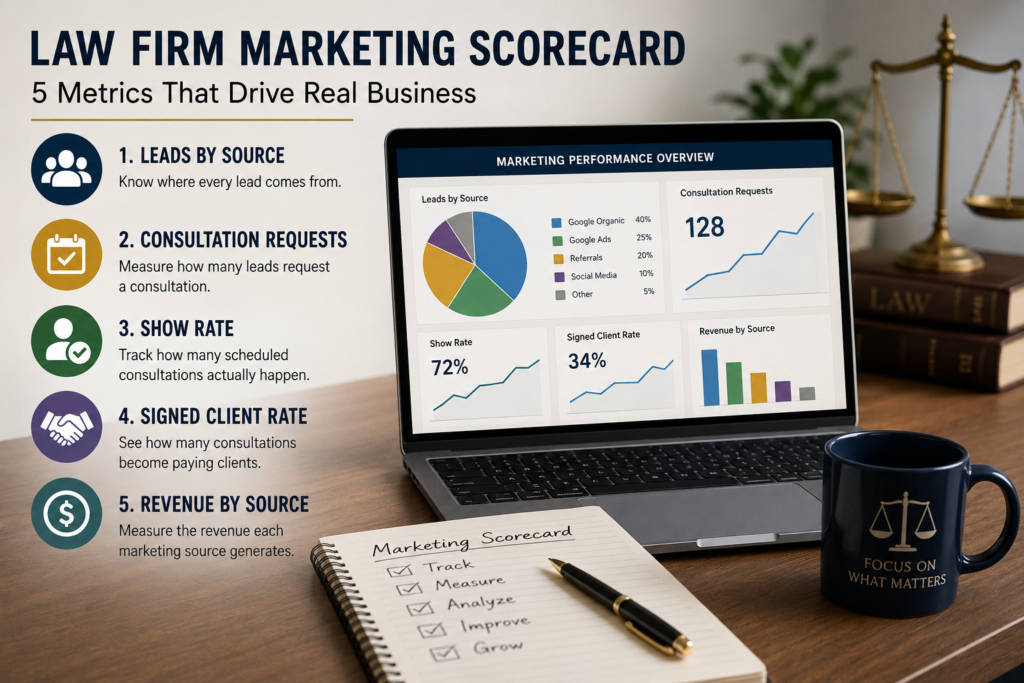
    Law Firm Marketing

    Leads by source

    The first metric is simple: where did the lead come from?

    Every phone call, form submission, email inquiry, chat message, and referral should be tied to a source. Common sources include Google organic search, Google Ads, referrals, social media, Avvo, Justia, local directories, and direct website visits.

    If a firm does not track source, it cannot know which marketing channels are working. A law firm may think referrals are driving most business when Google is quietly becoming more important. Or it may think SEO is working when the actual signed cases are coming from paid ads.

    Consultation requests

    Not every lead is equal. Some people are asking a basic question. Some are not a fit. Some are ready to hire.

    A consultation request is more meaningful than a casual website visit because it shows stronger intent. Law firms should track how many leads turn into scheduled consultations. This helps separate general interest from real opportunity.

    Show rate

    A scheduled consultation is not the same as a completed consultation. Some potential clients do not show up. Some cancel. Some never respond after the initial call.

    The show rate tells the firm how many scheduled consultations actually happen. If this number is low, the problem may not be marketing. It may be confirmation emails, reminder texts, intake scripts, or the speed of follow-up.

    Signed client rate

    The signed client rate is one of the most important numbers in law firm marketing. It shows how many consultations become paying clients.

    If a firm gets many consultations but few signed clients, the issue could be pricing, case fit, trust, communication, or follow-up. Marketing may be doing its job, but the sales and intake process may need work.

    Marketing Problems Are Often Conversion Problems

    Many law firms assume weak marketing results mean they need more traffic. In reality, the issue may happen later in the process.

    A firm may already be generating attention but losing potential clients because of:

    • slow response times
    • weak intake scripts
    • inconsistent follow-up
    • unclear communication
    • poor consultation experience
    • failure to build trust
    • attracting the wrong case types

    For example, a law firm may spend thousands on SEO or paid advertising and successfully generate phone calls, only to lose those opportunities because nobody responds quickly enough or because the intake process feels disorganized.

    In those situations, increasing traffic may simply increase wasted leads.

    That is why marketing should not be viewed separately from intake and operations. The firms that consistently grow are often the firms that respond quickly, communicate clearly, and create a smooth experience from the first contact through the consultation process.

    Even small improvements in conversion can dramatically improve marketing ROI. A law firm that improves its signed-client rate from 20% to 35% may generate significantly more revenue without increasing advertising spend at all.

    Track Revenue by Marketing Source

    The most useful metric is not just leads. It is revenue by source. A channel that produces ten low-value leads may be less valuable than a channel that produces two strong cases.

    For example, organic search might bring fewer leads than paid advertising, but those leads may cost less and convert better over time. A proper system should eventually connect source, client, matter type, and revenue.

    Why these metrics matter

    Law firm marketing often fails because the firm looks at surface-level numbers. Website visits feel good. Impressions feel promising. Clicks are useful. But the real question is whether the marketing is producing consultations, clients, and revenue.

    That is especially important for small firms with limited budgets. A solo lawyer or small West Virginia firm cannot afford to waste money on campaigns that produce noise but no business.

    How this connects to SEO

    Search engine optimization is powerful because it can build long-term visibility. But SEO should still be measured. If your firm invests in WV law firm SEO, you should know which pages are bringing in traffic, which searches are creating leads, and which leads are becoming clients.

    The goal is not just to rank. The goal is to be found by the right people at the right time.

    Final Thought

    The goal of law firm marketing is not just attention. It is signed clients and sustainable revenue.

    Website traffic, impressions, and clicks can be useful indicators, but they are only part of the picture. A law firm should understand how potential clients move from first contact to consultation to signed representation.

    Even a simple scorecard can create better decision-making. By tracking lead sources, consultation requests, show rates, signed-client rates, and revenue by source, firms can better understand what is actually driving business growth.

    The firms that measure effectively are often the firms that improve most consistently.

  • 5 Law Firm KPIs That Actually Grow Practice Revenue

    Introduction

    Most law firms struggle to grow not because they lack good lawyers — but because they’re flying blind on their marketing data. Even firms using CRMs like Clio, Lawmatics, or HubSpot often have the data — they just don’t know which numbers to focus on.

    In this guide, we break down the five essential law firm marketing metrics every attorney should track: cost per lead, lead conversion rate, speed to lead, cost per client, and lead source ROI.

    Whether you’re running Google Ads, investing in SEO, or relying on referrals, understanding these legal marketing KPIs is the difference between scaling intelligently and burning your budget.


    Cost Per Lead (CPL)

    What it is: How much you spend to generate a single lead.

    Formula: CPL = Total Marketing Spend ÷ Number of Leads

    Example:

    • $3,000 Google Ads
    • 100 leads
      • CPL = $30

    Why it matters:

    If you don’t know this, you can’t:

    • Compare channels (Google vs referrals vs SEO)
    • Control spending
    • Scale intelligently

    The mistake firms make:

    They track spend, not efficiency

    • Spending $5,000 isn’t bad
    • Spending $5,000 for 10 bad leads is

    Lead Conversion Rate (Lead → Client)

    What it is:

    The % of leads that become paying clients.

    Formula:

    Conversion Rate = Clients ÷ Leads

    Example:

    • 100 leads
    • 20 clients
      • 20% conversion rate

    Why it matters:

    This is where money is made or lost.

    Two firms:

    • Firm A: 10% conversion
    • Firm B: 25% conversion

    Same leads. Completely different outcomes.

    What impacts it:

    • Speed to respond
    • Intake quality
    • Follow-up process
    • Trust signals

    • This is a systems problem, not a marketing problem

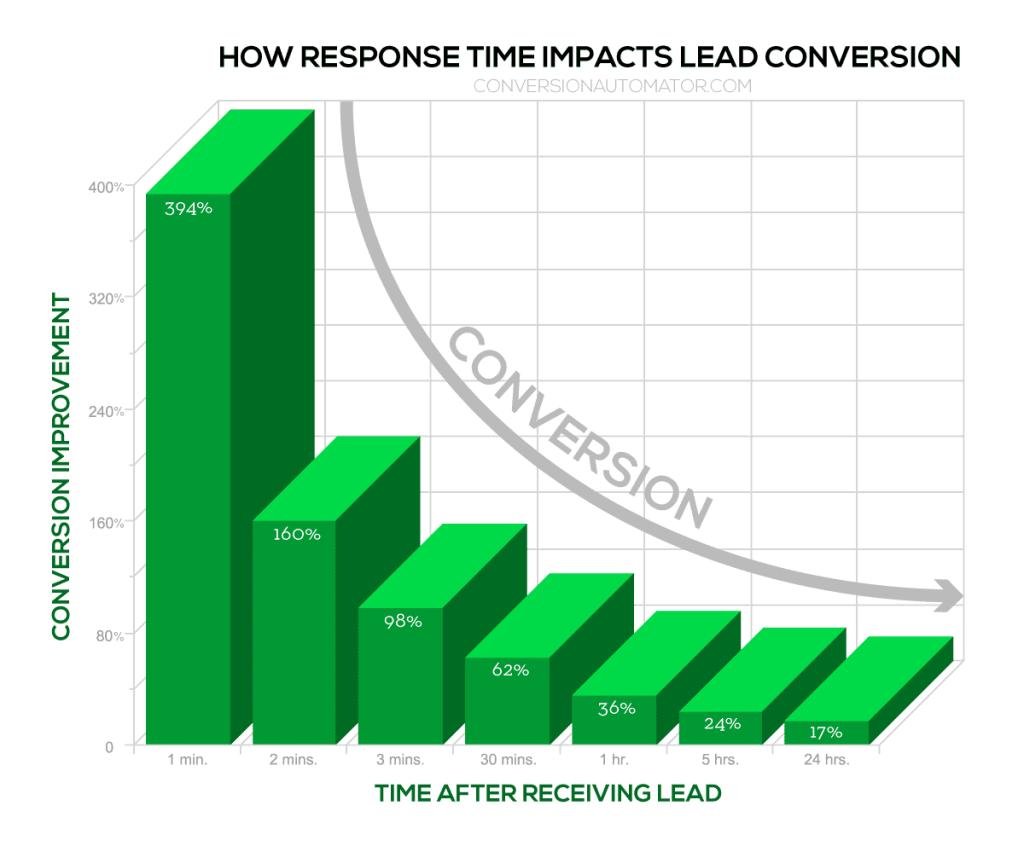
    Speed to Lead (Response Time)

    How fast you respond to a new lead.

    The attorney lead response time benchmark is clear: within 5 minutes is elite, 1 hour is decent, next day means you’re losing clients to competitors who picked up faster. Studies consistently show that the first firm to respond wins the case the majority of the time — and in a world where potential clients are submitting forms to multiple firms simultaneously, speed is a competitive advantage, not a courtesy.

    A strong law firm intake process doesn’t happen by accident. It requires systems: auto-text confirmations, CRM alerts, and dedicated intake staff coverage during peak inquiry hours. This single metric can double your revenue without spending another dollar on leads.

    What it is:

    How fast you respond to a new lead.

    Benchmark:

    • Within 5 minutes = elite
    • 1 hour = decent
    • Next day = losing clients

    Why it matters:

    The first firm to respond: Wins the case most of the time

    Reality:

    • Leads contact multiple firms
    • You’re competing in real time

    Fix:

    • Auto-text response
    • CRM notifications
    • Intake staff coverage
    • AI Voice Agents

    This single metric can double your revenue without more leads


    Cost Per Client (Case Acquisition Cost)

    What it is:

    How much it costs to acquire a paying client.

    Formula:

    Cost Per Client = Total Marketing Spend ÷ Number of Clients

    Example:

    • $3,000 spend
    • 20 clients
      • $150 per client

    Why it matters:

    This is the metric that actually connects to profit.

    You can have:

    • Cheap leads
    • But expensive clients

    The insight:

    If your average case value is $3,000:

    • Paying $150 = great
    • Paying $1,500 = dangerous

    This is where smart firms scale… and others burn money


    Lead Source ROI (What’s Actually Working)

    Which channels produce your best clients — not just your most leads.

    Tracking legal marketing ROI by source reveals something most firms miss: volume and quality are not the same thing. Google Ads might generate 80 leads a month while referrals bring in 15 — but if referrals close at 60% and Ads close at 8%, the math tells a very different story about where your budget should go. Without source-level tracking, you’ll keep funding the channel that looks productive while starving the one that actually is.

    For each channel — Google Ads, SEO, referrals, Avvo, social media — track leads generated, conversion rate, and revenue produced. That’s the only way to make allocation decisions based on profit, not assumption.

    What it is:

    Which channels produce the best clients.

    Examples:

    What to track:

    • Leads per source
    • Conversion rate per source
    • Revenue per source

    Why it matters:

    Not all leads are equal.

    Example:

    • Google Ads → lots of leads, low conversion
    • Referrals → fewer leads, high conversion

    Without this, you’ll invest in the wrong channels


    The Bigger Picture: These Metrics Work Together

    This isn’t about tracking numbers.

    It’s about understanding your pipeline:

    1. Traffic → Leads
    2. Leads → Clients
    3. Clients → Revenue

    If something breaks:
    One of these metrics tells you where


    What Most Law Firms Get Wrong

    They:

    • Track leads (vanity metric)
    • Ignore conversion
    • Ignore response time
    • Don’t connect spend to revenue

    That’s how firms “feel busy” but don’t grow


    The Simple System (You Can Implement This Week)

    You don’t need a complex setup.

    Start with:

    • A CRM (even basic)
    • Lead source field (required)
    • Intake tracking
    • Weekly review

    Track:

    • Leads
    • Clients
    • Source
    • Time to respond

    That’s it.

    Most Firms Already Have Enough Leads

    In many cases, law firms do not have a lead problem. They have a conversion problem.

    Faster response times, better intake systems, and more consistent follow-up can often improve revenue more than simply increasing ad spend.


    Final Thought

    The firms that win aren’t always the best lawyers.

    They’re the ones who:

    • Respond faster
    • Track better
    • Improve consistently

    Everything else compounds from there.

    Many firms already have enough traffic — they just lack visibility into what is actually converting.

    If your law firm is investing in SEO, Google Ads, or digital marketing and you are not sure where the bottlenecks are, reach out through WV Lawyer Help for a free high-level review of your current marketing funnel and intake process.